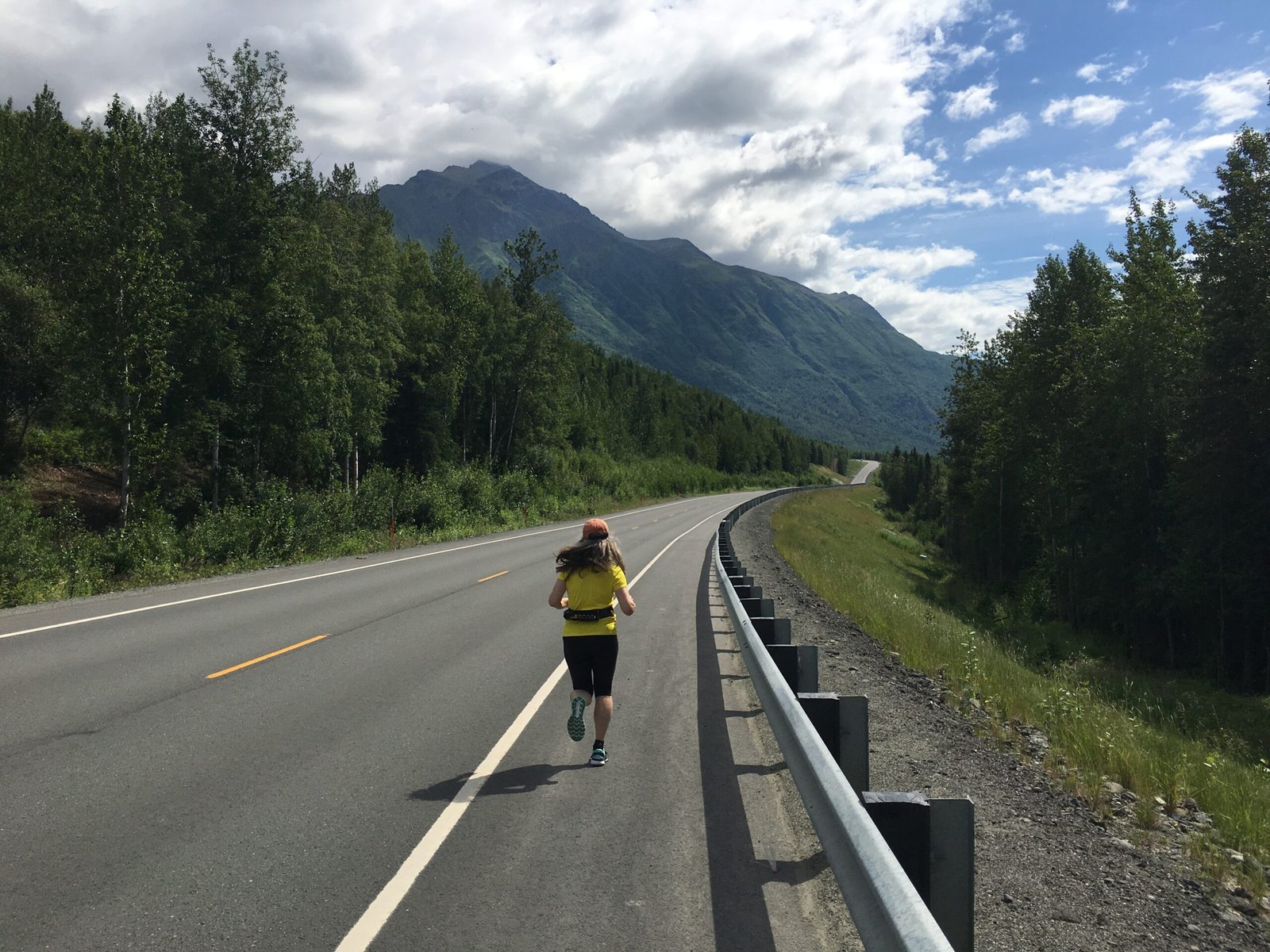
Whether you are brand new to running or returning after time away, the first step isn’t about pace or performance. It’s all about building a strong foundation.
Let’s get started!

✅ You have made the commitment
✅ You have medical clearance
✅ You have chosen your route (and let someone know where you are going)
Before Stepping Out the Door
Before you begin your walk or add running intervals, take 3-5 minutes to gently warm up. The goal is to simply wake your body up. Dynamic stretching (gentle, controlled movements) is preferred over static stretching (holding a stretch in one position for a period of time). Always maintain good posture, with shoulders relaxed and core engaged, to get the most out of your warm-up.
Examples of dynamic stretching:
- Easy marching with coordinating arm swings. Drive those knees up to hip height
- Knee hugs—stand tall, lift knee to chest, gently pull it closer, hold for 1-3 secs before walking forward and alternating legs
- Calf raises
- Forward and back leg swings
- Side-to-side leg swings
- Arm circles or shoulder rolls to loosen the upper body
Start With Walking
If you have not been walking or running at all, give yourself one to two weeks, at least 3 days per week, to build up to walking comfortably. Aim for about 20-30 minutes of easy walking before adding running intervals. Depending on your fitness level, you may need to start with 10-15 minutes of walking and work up to 30 minutes. There is no rush. Keep it low stress, you will still gain benefits!
Keep the effort ( pace) easy and conversational. You should be able to speak in full sentences. It’s normal to experience an increase in heart rate and respiratory rate, along with mild muscle discomfort. But if you are huffing and puffing and finding it hard to catch your breath, you are moving too fast. You will not gain any greater benefit from overdoing it. So slow down and enjoy the walk. Let’s just get the body moving.
Build the Right Foundation
When starting a running program, the focus is not on building speed or mileage. It’s about building an aerobic base. That means training at an effort your body can adapt to and repeat consistently. It’s the foundation that allows your muscles, tendons, ligaments, heart, and lungs to gradually strengthen. Especially as we get older, this gradual adaptation is what keeps progress steady and reduces the risk of injury. Respecting this phase sets the groundwork for sustainable improvement later. In the long run, you will be thankful that you took the time to build a strong foundation.
Know Your Starting Point
The right way to begin depends entirely on your recent history, not what you used to do 20 years ago, and not what someone else is doing now. Start where you are right now. If you haven’t been walking or hiking regularly, begin with the walking foundation described above. Build to 20-30 minutes at a comfortable, conversational pace before introducing intervals. And when you are ready, this simple framework works well:
- Three days per week
- 20 to 30 minutes total time each day
- Short run segments (30-60 seconds)
- Walk long enough to fully recover
- Gradually increase run portions over several weeks
This is what one week might look like for someone just beginning.
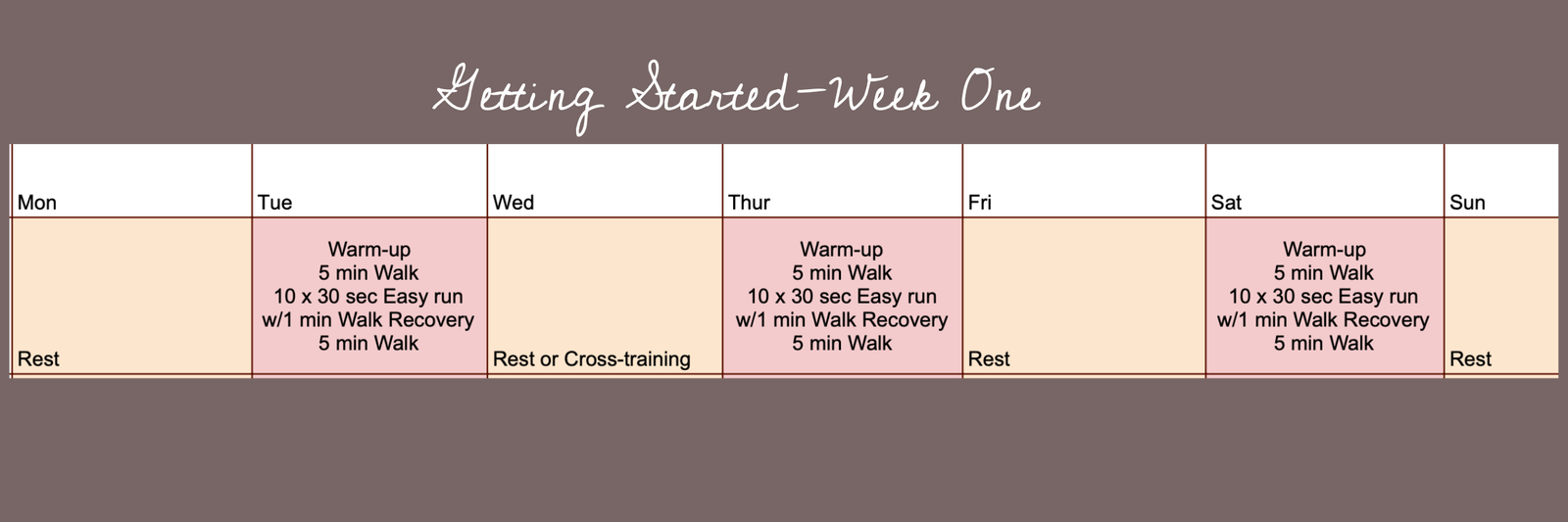
This is only one example. The exact timing of your run and walk segments can be adjusted to meet you where you are. If the run portions feel too difficult, shorten them and extend your walking recovery. If they feel manageable, keep them steady and increase gradually over the next several weeks. Progress should feel controlled, not exhausting. When in doubt, do slightly less rather than more. Consistency matters more than intensity in the beginning. This 4-week start-up (click here) will get you moving in the right direction.
How Do You Know You’re Progressing Correctly?
- You recover within 24 hours
- No lingering joint pain
- You feel pleasantly tired, not depleted
- You could repeat the session if needed
- You are not skipping sessions
Progress during this phase often feels subtle. You may not be running faster yet, but you’re becoming more consistent. Your breathing feels steadier. Recovery improves. Sessions begin to feel familiar instead of intimidating. You finish feeling like you could have done a little more. That’s a good sign.
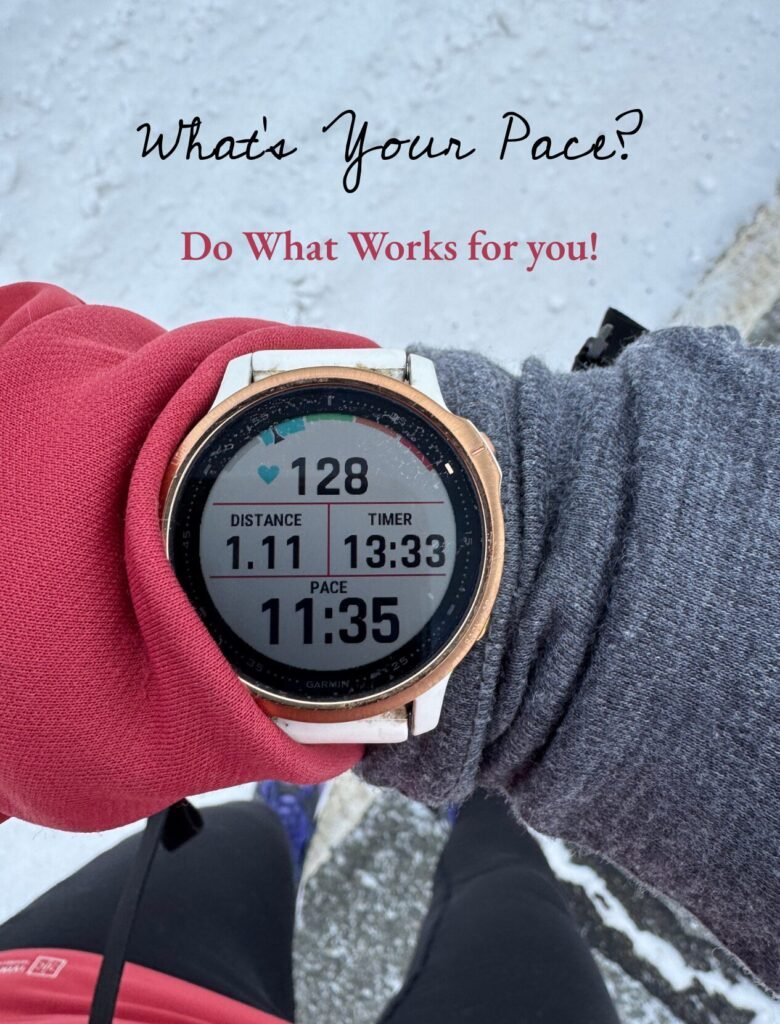
If you consistently feel depleted, sore for days, or discouraged before sessions begin, the progression may be too aggressive. Listen to your body and adjust your training schedule as needed—e.g., reduce your running intervals or add more recovery time.
This foundational stage typically lasts 12-16 weeks, depending on your background, starting point, and fitness level. When you build gradually, improvement comes more reliably and with fewer interruptions. You should be able to run the full 30 minutes by the end of this phase. If you still need walk breaks, though, that is perfectly okay. You are still gaining fitness.
A Thought on Structured Plans
Many beginner online running programs follow a fixed timeline and assume a similar starting point for everyone. That works for some runners. But if you are rebuilding or starting later in life, progression often needs to be more adaptable. Use these plans as guidelines and continue building based on your body’s response.
You might prefer a clear roadmap that removes the guesswork. If a structured plan tailored to your starting point and goals would work better for you, I offer both self-guided and coached options designed specifically for new and returning runners.
Remember:
You don’t have to be fast to begin.
You just have to be willing to start.
Progress built slowly and consistently is progress that lasts.
Keep showing up, keep it conversational, and trust the process.

Get more information on running in your 60s and beyond here
Happy Running!
A note on safety…
This content is for informational purposes only and is not intended as medical advice. If you have existing health conditions or concerns, consult your healthcare provider before starting any new exercise program. Always listen to your body and adjust as needed.