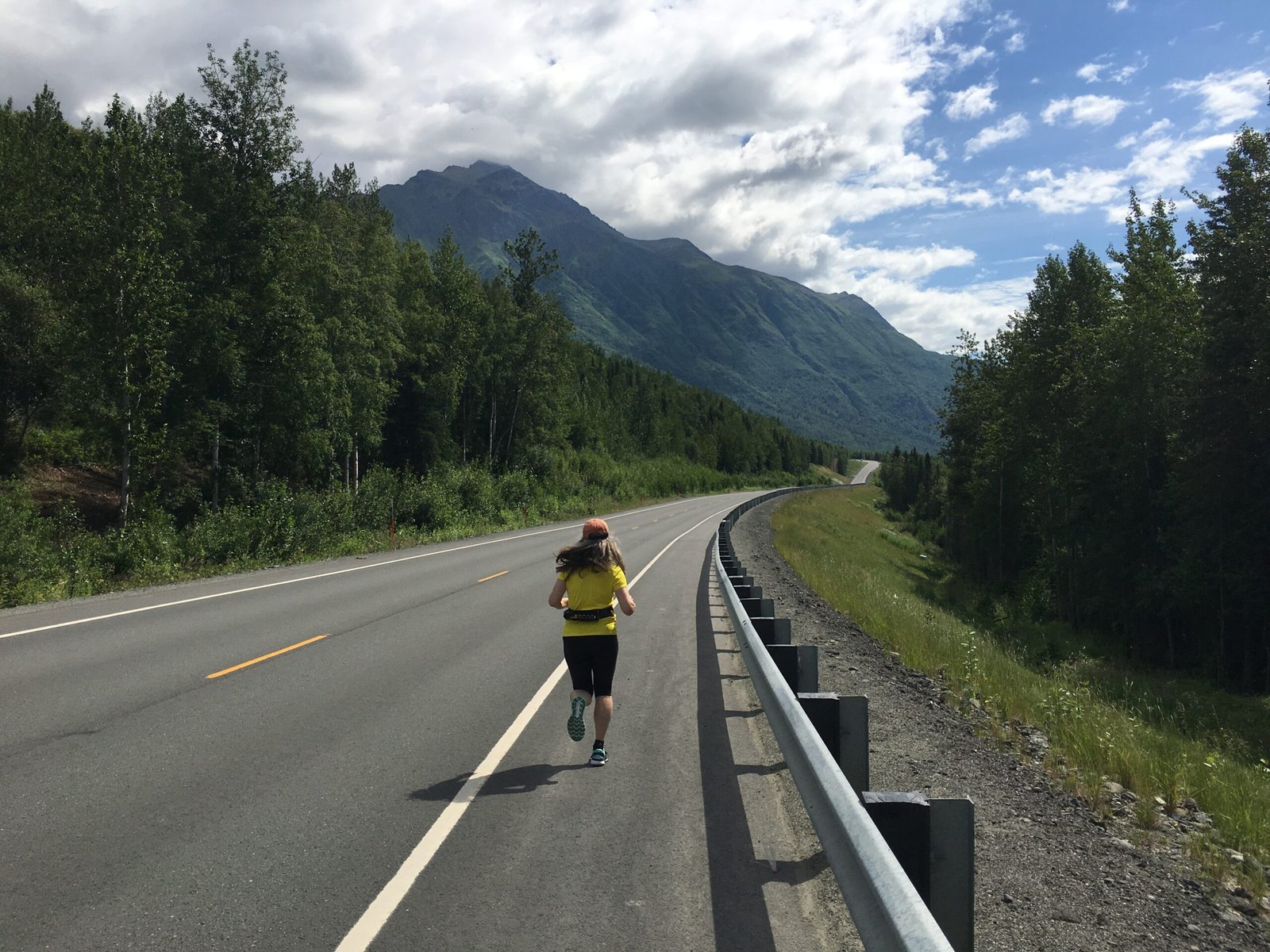
Once you’ve committed to running—or returned to it—the next question that usually comes up: Where should I run?
The advantage of running is that it doesn’t require a specific location. Running can happen almost anywhere. The best place to run is one that feels safe, accessible, and comfortable for you.


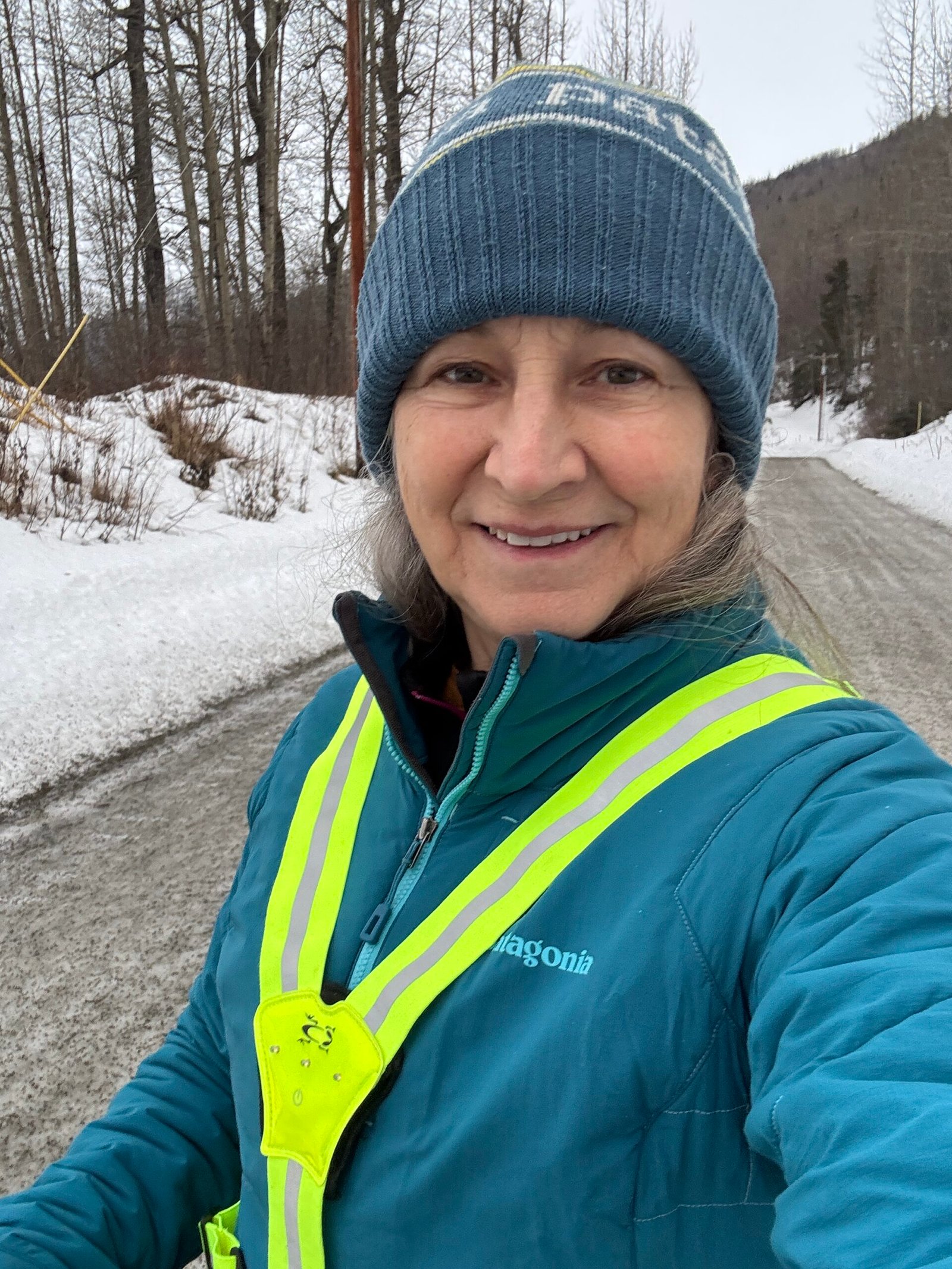

Neighborhood running is often the most convenient option. You can head out the door, adjust distance as needed, and stay close to home. When running in your neighborhood, face oncoming traffic, stay alert at intersections and driveways, and be mindful of cyclists and other pedestrians sharing the space. Wearing bright or reflective clothing makes you more visible and keeps you safer.
Trails can be a wonderful place to run, especially for beginners or returning runners. Softer surfaces are often easier on the joints, and the quieter, more natural setting can make running feel less like a workout. As with running in your neighborhood, it’s important to stay aware of your surroundings. Uneven terrain, roots, and rocks may require you to slow down, shorten your stride, and focus on where you’re placing your feet. Also, you could encounter wildlife depending on where you live (as I have done many times, running on the trails in Alaska). Letting someone know where you’re going and choosing routes with good visibility is always a good idea.
Treadmills and tracks offer consistency and control. Treadmills are helpful when weather or daylight is a concern, while tracks provide a flat, predictable surface with clearly marked distances. Both are excellent options and count just as much as other areas of running.
In all settings or wherever you run, trust your instincts. If a route, condition, or moment doesn’t feel right, it’s okay to change direction or cut a run short.
Just as it’s important to be aware of your environment, it’s also important to listen to your body. Start slower than you think you need to—you are still gaining benefits. Mild fatigue is normal, but sharp or persistent pain is not. If something feels off, it’s okay to stop. Consistency builds fitness. Pushing through pain does not.
Now that you have scheduled your runs and know where you are going, the next step is getting ready to head out the door. We’ll review shoes and the basic gear you’ll need to get moving in the next post.
Happy Running!
This post is for general information only and is not intended as medical advice. Always consult with a healthcare professional before beginning or changing an exercise program.